Understanding the Three Towing Categories
Towing is divided into three main classes based on the weight and size of the vehicle being moved.
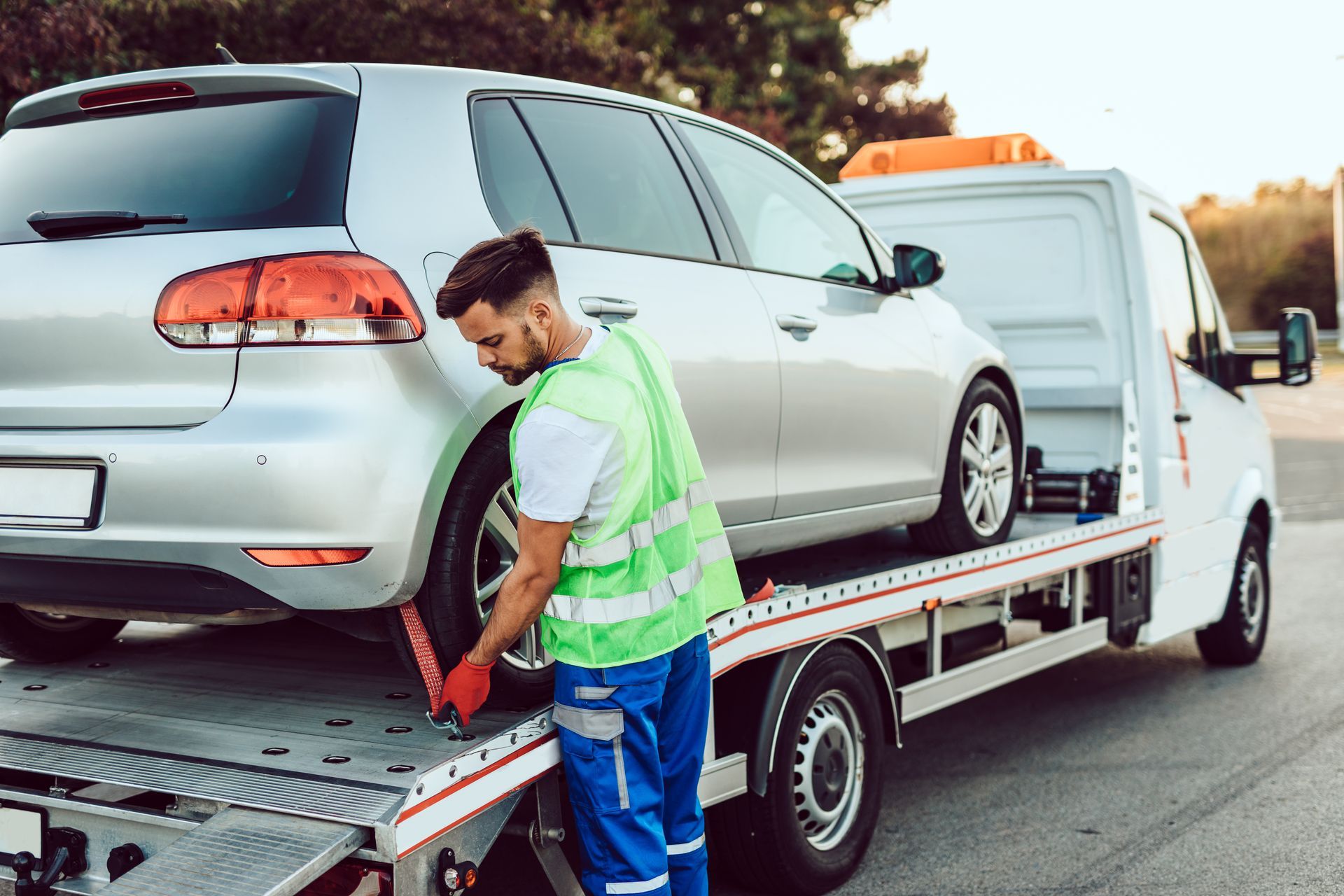
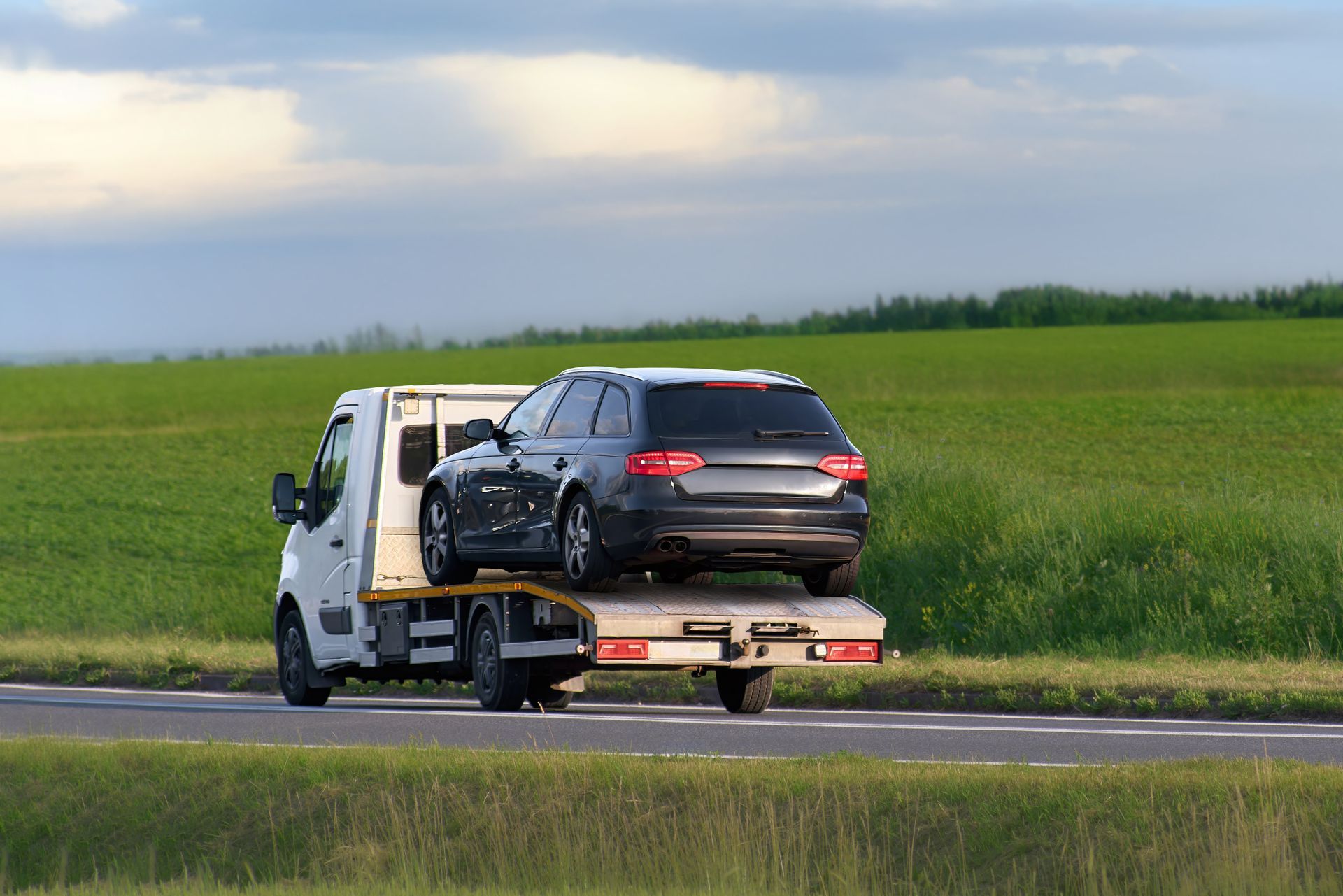
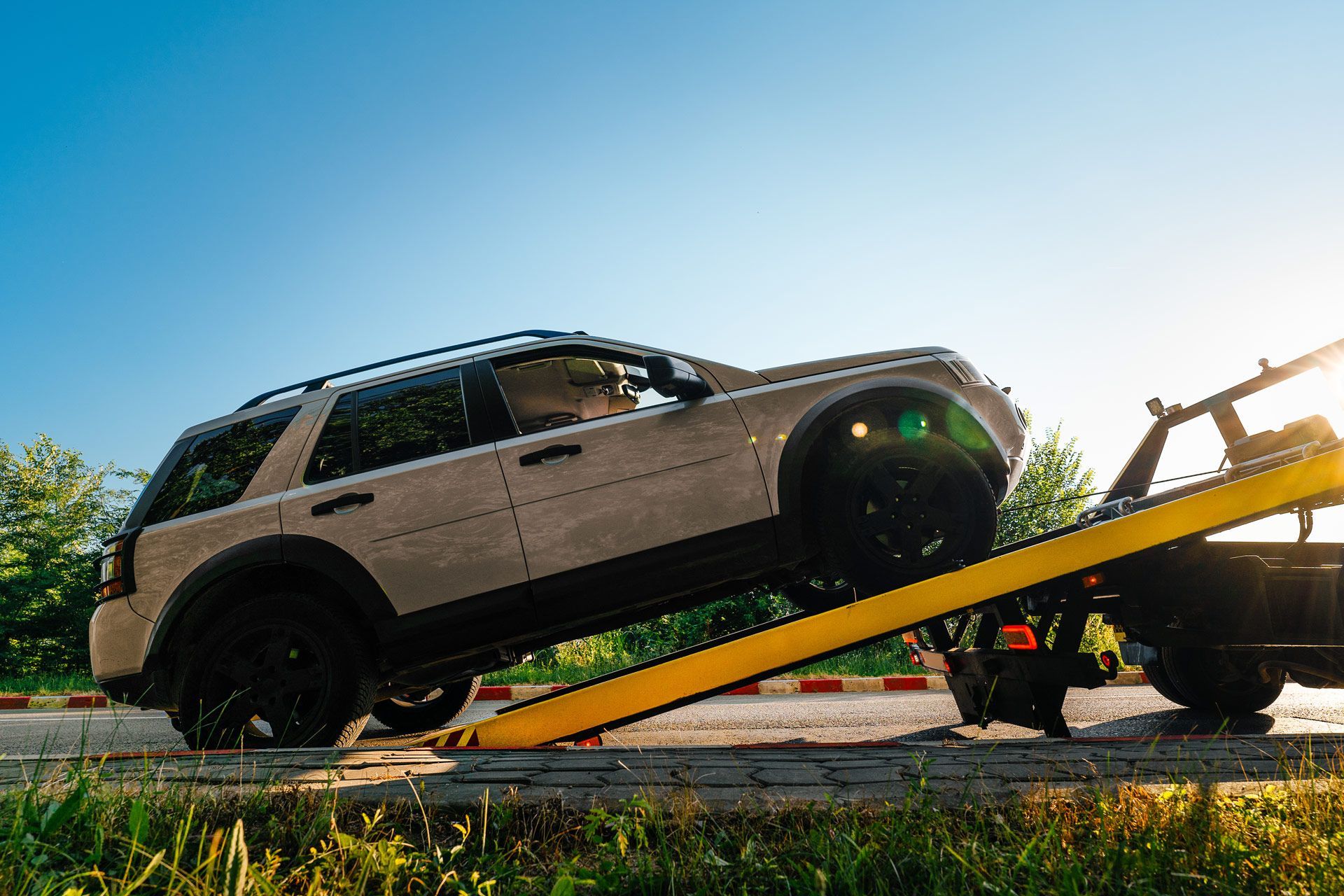
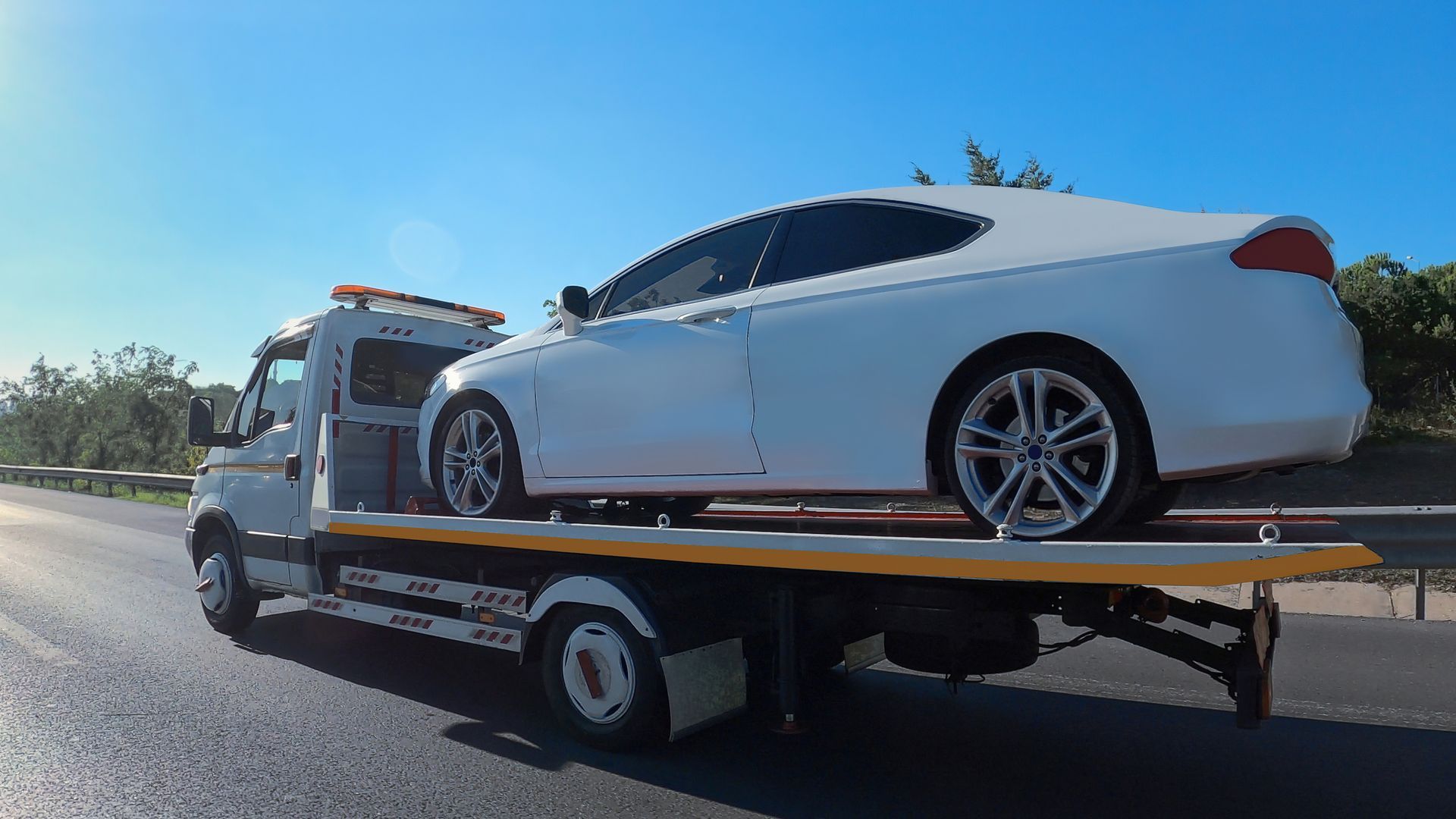
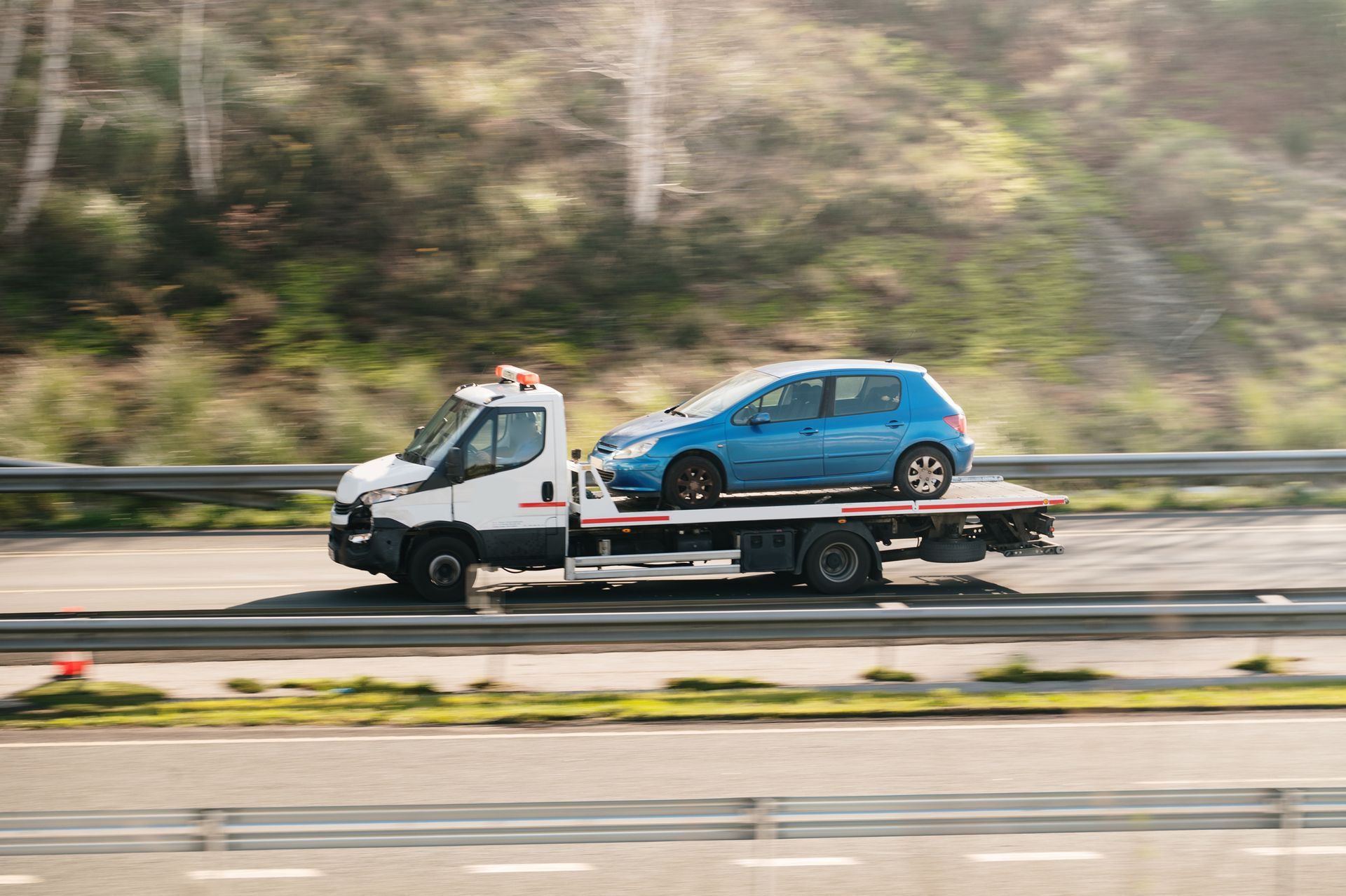
- Light-duty towing covers everyday passenger vehicles: standard sedans, compact SUVs, minivans, and motorcycles. These jobs use a flatbed or hook-and-chain wrecker rated for smaller loads. If your car breaks down on I-45 heading into downtown Houston, a light-duty truck can likely handle it.
- Medium-duty towing steps up to larger vehicles that do not qualify as commercial big rigs, including box trucks, utility vans, step vans, and dual-rear-wheel pickups. Fleet drivers operating around Beltway 8 often fall into this category.
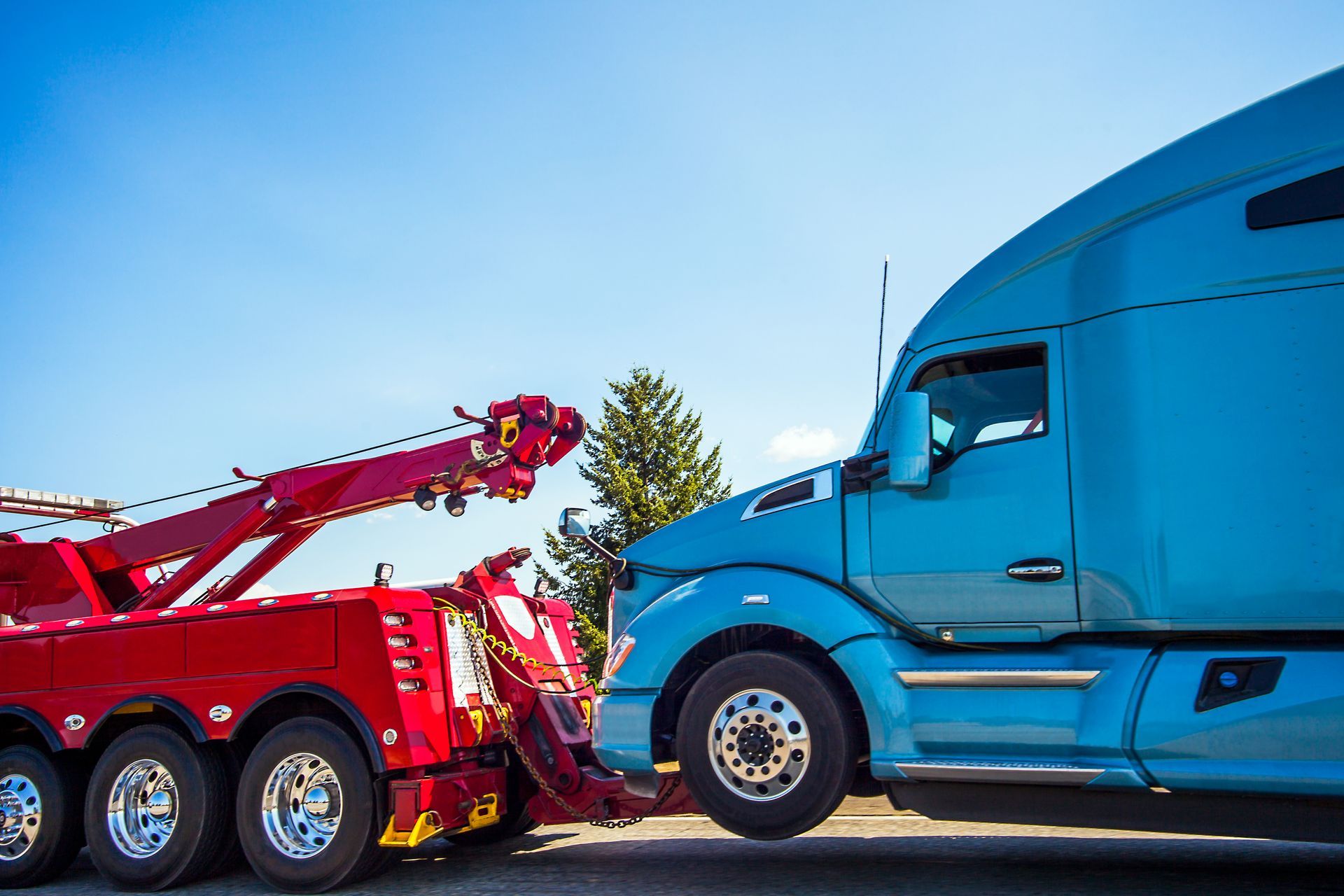
- Heavy-duty towing is reserved for the biggest vehicles on the road, including semi-trucks and tractor-trailers, dump trucks and concrete mixers, buses and motorcoaches, and large construction equipment. Houston's major freight corridors, including I-10, I-45, and I-69, see consistent commercial traffic. When a fully loaded 18-wheeler goes down on one of these routes, only a properly equipped heavy-duty towing service can manage the recovery safely.
What Happens If You Call the Wrong Truck?
Sending a light-duty truck to a commercial breakdown is a common and expensive mistake. The tow truck may lack the lift capacity, stabilization equipment, or rigging tools needed for the job, delaying clearance and creating secondary safety hazards.
Medium and heavy-duty recoveries often require coordination with TxDOT guidelines, especially on freeway shoulders along I-69 near the Ship Channel. Using an underpowered truck puts drivers, cargo, and other motorists at risk.
How Do I Know Which Towing Service I Need?
Start with your vehicle's Gross Vehicle Weight Rating (GVWR). Vehicles under roughly 10,000 lbs typically fall under light duty. Vehicles between 10,000 and 26,000 lbs often need medium-duty equipment. Anything above 26,000 lbs, including most commercial trucks, generally requires heavy-duty towing. When in doubt, share your vehicle type and situation with the dispatcher so they can match the right equipment.
Why Does Vehicle Class Matter in Houston Specifically?
Houston's dense freeway interchanges, including the I-10 and I-45 interchange near downtown, make tight maneuvering a real challenge. High humidity can also worsen breakdowns for diesel engines on long hauls. A heavy-duty towing service is built with the boom strength, underlift, and rotator capacity to work safely in confined, high-traffic conditions that light-duty trucks cannot manage. Having the right equipment on scene determines how quickly traffic clears and how safely the load is secured.
Get the Right Help When It Matters Most
When you are stuck on a Houston highway with a commercial vehicle, A&G Recovery LLC is ready to respond. Learn more about available
emergency towing services
or
contact the team for fast dispatch. Call
(936) 268-5728 anytime for reliable 24/7 towing serving Houston, TX.